Choosing the right truck tyres involves more than matching the size. Load ratings, inflation pressure and axle weights all play a role in keeping your vehicle safe, compliant and operating efficiently.
For truck operators, selecting tyres that can safely support the vehicle’s working load is essential. The wrong tyre specification or incorrect inflation pressure can contribute to premature wear, reduced performance and increased operating costs. It can also affect vehicle handling and safety, particularly when trucks are carrying heavy or unevenly distributed loads.
Different axle positions and tyre configurations have different load requirements. Steer axles, dual fitments and wide single tyres each need to be assessed according to the weight they carry and the manufacturer’s specifications.
Understanding how load ratings work can help operators make informed decisions when purchasing replacement tyres, maintaining their vehicles or adjusting their fleet configurations.
Understanding Load Ratings
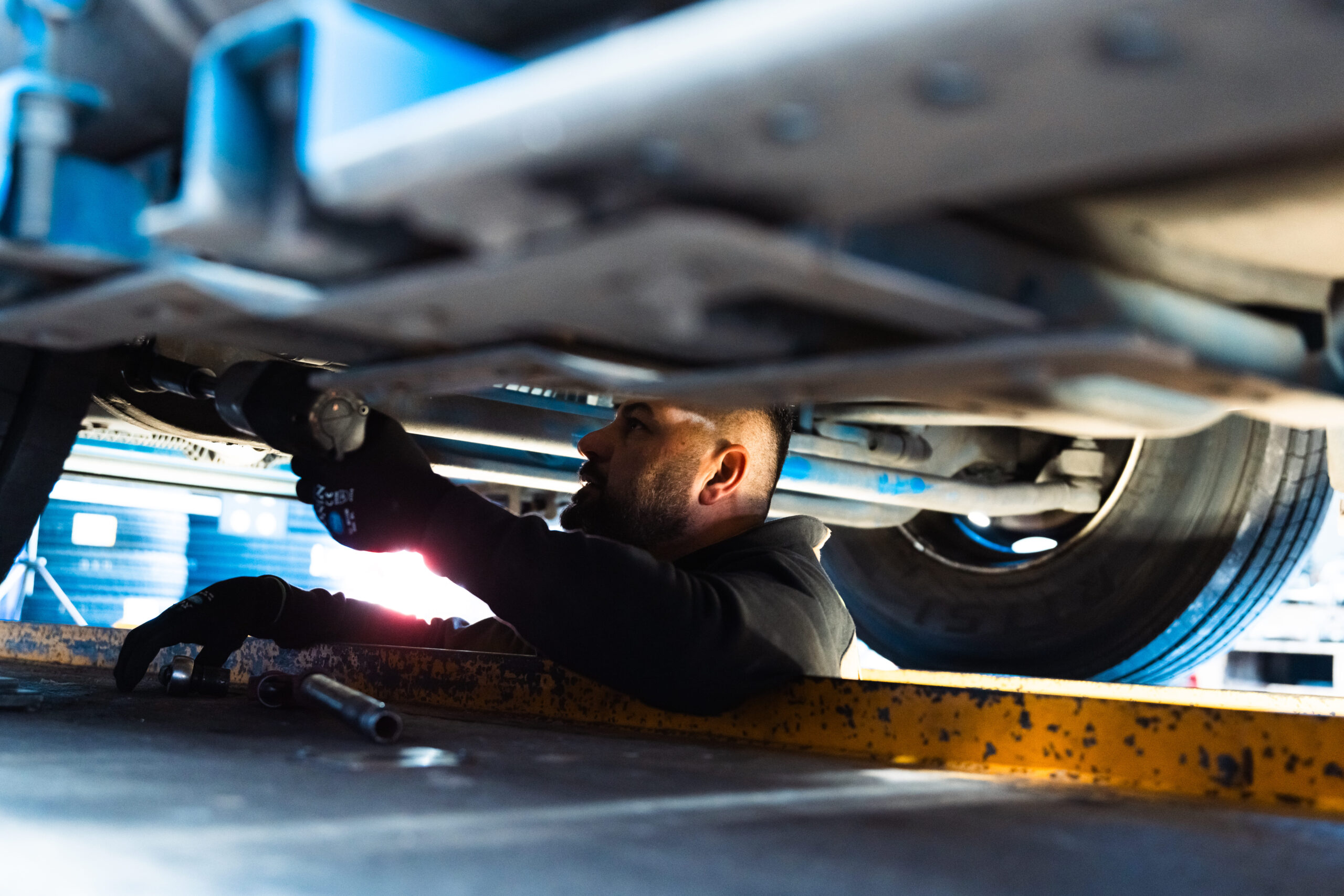
A tyre’s load rating indicates the maximum load it is designed to carry under specified operating conditions. It is important to select tyres that are suitable for the vehicle, axle position and expected operating weight.
When checking tyre specifications, operators should consider the following factors.
Steer axles: Steer tyres must have sufficient load capacity for the weight carried by the front axle. Added accessories, larger fuel tanks or body modifications can increase axle loads, so checking loaded axle weights is essential.
Steer tyres also play an important role in vehicle handling and directional stability. They need to support the weight placed on the front axle while maintaining suitable contact with the road. Choosing tyres with an appropriate load rating helps ensure they are suited to the demands of the vehicle.
Tyre pressure: A tyre’s load capacity depends on running it at the correct inflation pressure. Underinflated tyres may not safely support the required load, even when the load rating is suitable.
Incorrect inflation pressure can also contribute to excessive heat build-up, irregular tread wear and reduced tyre life. Overinflation can affect the tyre’s contact with the road and contribute to uneven wear. Always refer to the tyre manufacturer’s load and inflation tables to determine the correct pressure for the load being carried.
Dual tyres: The load rating per tyre is lower in a dual fitment than for the same tyre fitted as a single. Tyres should be matched for diameter, tread depth and pressure to help distribute the load evenly and prevent excessive wear.
When dual tyres are mismatched, one tyre may carry more weight than the other. This can place additional stress on the more heavily loaded tyre and contribute to uneven wear or premature failure. Regular inspections should check for differences in tyre condition, pressure and overall diameter.
Wide singles: Wide single tyres must also be correctly rated and inflated for the axle load. Because there is no second tyre alongside them to share the load, pressure monitoring is particularly important.
Wide single configurations can offer operational benefits depending on the vehicle and application, but they must be selected according to the manufacturer’s specifications and applicable axle requirements. Operators should confirm that the tyre’s load capacity is suitable for the maximum weight expected on the axle.
Other Factors to Consider
When selecting or replacing truck tyres, check the speed rating, particularly for retreads and tyres designed for specialised applications. Some retreaded tyres may have a lower speed rating than new tyres, so always confirm that the rating is suitable for the vehicle and its intended use.
The speed rating identifies the maximum speed at which a tyre can safely operate under specified conditions. Selecting a tyre with an unsuitable speed rating can affect its suitability for the vehicle’s operating requirements.
Changes to tyre brands, sizes, vehicle bodies or accessories can also affect load capacity and axle weights. A truck may be within its overall weight limit while still exceeding the capacity of tyres on an individual axle.
It is also important to consider the type of work the truck performs. Long-distance highway operations, stop-start urban driving, construction work and heavy transport applications can place different demands on tyres. The right tyre choice should reflect the vehicle’s operating environment, expected loads and manufacturer’s recommendations.
Before changing tyre sizes or configurations, operators should confirm that the proposed fitment is approved for the vehicle and suitable for its axle capacity. A tyre that fits physically may not necessarily have the correct load rating or operating characteristics.
Understanding Australian Axle Mass Limits
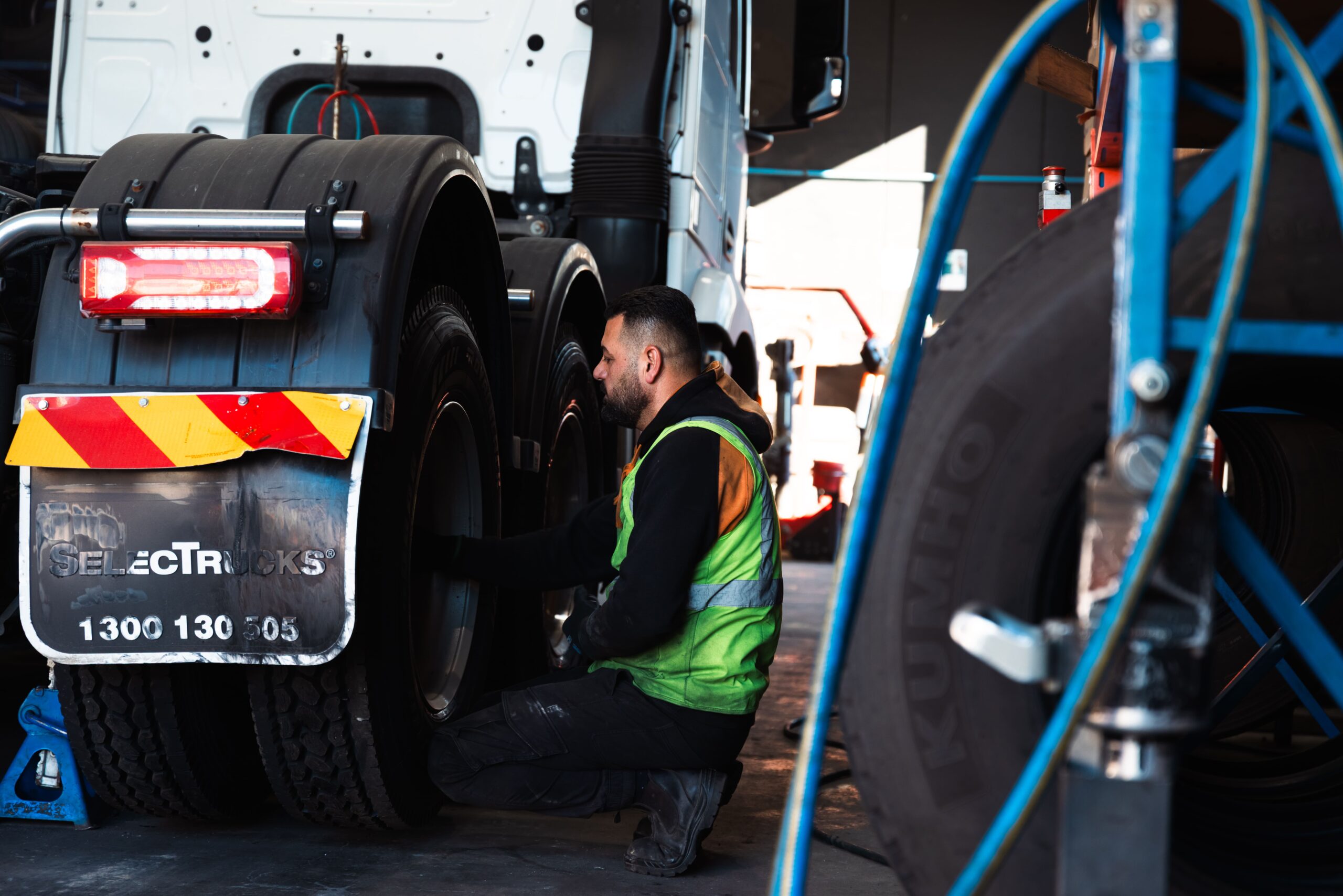
Australian heavy vehicles must comply with applicable mass limits, including limits for individual axles and axle groups. A truck may be within its overall mass limit while still exceeding the permitted load for an individual axle or tyre. The National Heavy Vehicle Regulator (NHVR) provides guidance on mass limits for heavy vehicles. Always check the requirements that apply to your vehicle and operation.
Understanding axle mass limits is important when selecting tyres because the weight carried by each axle directly influences the load required from its tyres. The total vehicle weight alone does not provide enough information to determine whether an individual tyre or axle is operating within its capacity.
Load distribution can change depending on the vehicle configuration, cargo placement, trailer combination and operating conditions. This means operators should consider actual loaded axle weights rather than relying solely on the vehicle’s tare weight or gross vehicle mass.
For vehicles operating under specific access arrangements or higher mass limits, additional requirements may apply. Operators should refer to the NHVR and relevant regulatory guidance to confirm the requirements for their vehicle and route.
How to Check Your Truck's Tyre Load Requirements
Regular checks can help identify whether your tyres remain suitable for the loads your truck is carrying.
A good starting point is to review the vehicle manufacturer’s specifications and the information displayed on the tyre sidewall. This can help confirm the tyre size, load rating and other relevant operating details.
Where possible, obtain accurate axle weights with the vehicle loaded as it would normally operate. This provides a clearer picture of the weight carried by the steer, drive and trailer axles.
Operators should also regularly inspect tyres for uneven wear, visible damage, changes in pressure and signs of excessive heat. For dual fitments, checking that tyres are correctly matched is particularly important.
Tyre pressure should be checked regularly using a suitable pressure gauge, preferably when tyres are cold. Tyre pressure monitoring systems (TPMS) can also help identify pressure changes, particularly across larger fleets and trailer combinations. However, these systems should complement rather than replace routine physical inspections.
If a vehicle’s load requirements or configuration change, review the tyre specifications and inflation requirements to ensure the existing fitment remains suitable.
Get the Right Tyres for Your Truck
Choosing tyres with the correct load rating and maintaining the right inflation pressure can help improve safety, compliance and tyre life.
Royale Truck Services supports truck operators across NSW and VIC with tyre services and advice.
Whether you are replacing steer tyres, reviewing a dual fitment or considering wide single tyres, selecting the right specification is an important part of keeping your vehicle operating efficiently.
Before replacing your tyres, have your requirements assessed to help ensure the selected tyres are appropriate for your vehicle, axle weights and intended application.
Call 1300 500 002 to speak with the Royale Truck Services team or Find your nearest location here.